Yesterday a patient mom came into the office wearing
braces, so I asked her who was doing her braces. She answered, “it’s a long
story. I went to this cheap place in Nyack that offered “Invisalign” for very
little money. After 2 years they told me that my treatment was complete. I told
them that they didn’t fix my bite problem. They said that “Invisalign” doesn’t
do that; I needed braces for that. After they put on the braces they told me
there was an additional fee for a new treatment. I should have just come to you
in the first place instead of looking for cheap treatment. Now I’m paying more
money and spending twice as long in treatment than if I had come to you in the
first place Dr. Okun.”
For an honest conversation about your orthodontic or TMJ issues, and an honest discussion of fees, call us at (914)253-0722 to schedule an appointment.
The following article was written in conjunction with the writers at HelloNation.
Mail-Order Aligners: Safety Questions for White Plains, NY Residents
By Dr. Judith Okun · orthodontistexpertinwhiteplainsny.org
Clear aligners can be safe and effective when they are prescribed for the right condition and monitored by a licensed dentist or orthodontist. Mail-order treatment becomes more concerning when teeth are moved without an in-person examination, appropriate imaging, or regular clinical supervision.
For residents of White Plains, NY, the central question is not simply whether the trays are made of safe plastic. The larger issue is whether the treatment plan accurately accounts for the health of the teeth, gums, jaw joints, roots, bone, and bite.
What are mail-order aligners?
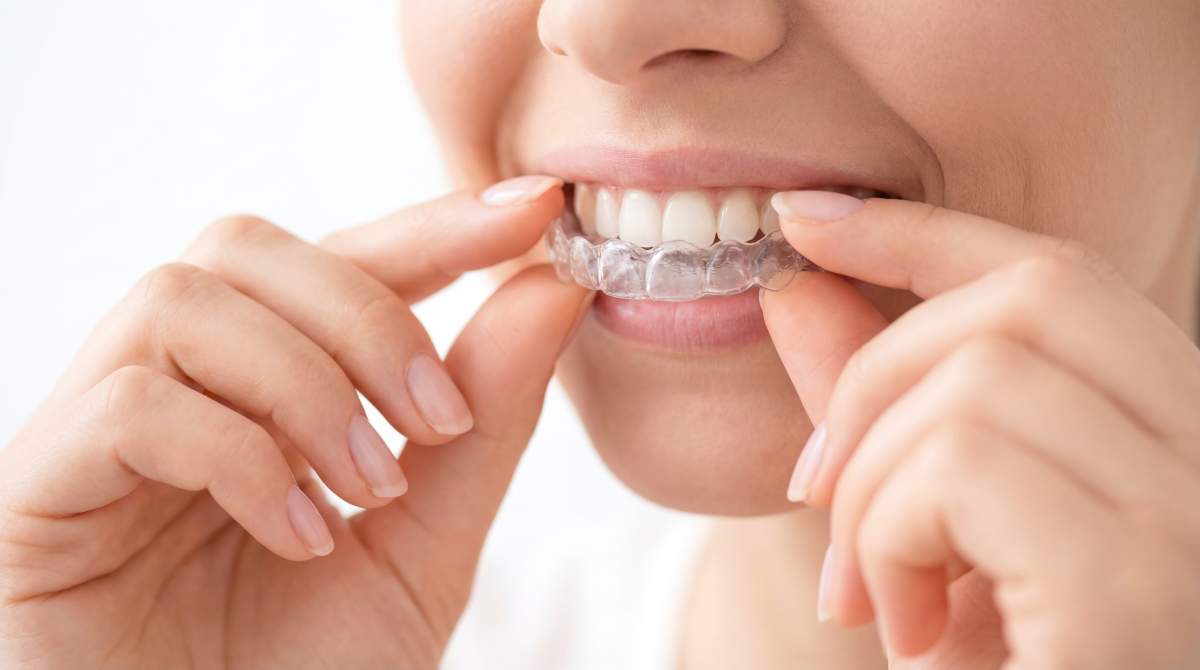
Mail-order aligners are clear plastic trays sent directly to a patient, usually after photographs, an at-home impression, or a remote digital scan. The treatment may be managed through an online portal, text messages, photographs, or virtual visits.
This model is different from conventional orthodontic care in an important way: the patient may begin treatment without meeting the supervising dentist or orthodontist in person. A remote review can be part of responsible dental care, but it does not always replace a clinical examination.
The U.S. Food and Drug Administration describes clear aligners as prescription medical devices. It states that clear aligners should be used under the supervision of a licensed dentist or orthodontist and warns that insufficient supervision may increase the risk of complications. ([fda.gov](https://www.fda.gov/medical-devices/dental-devices/clear-dental-aligners?utm_source=openai))
Why is an in-person examination important?
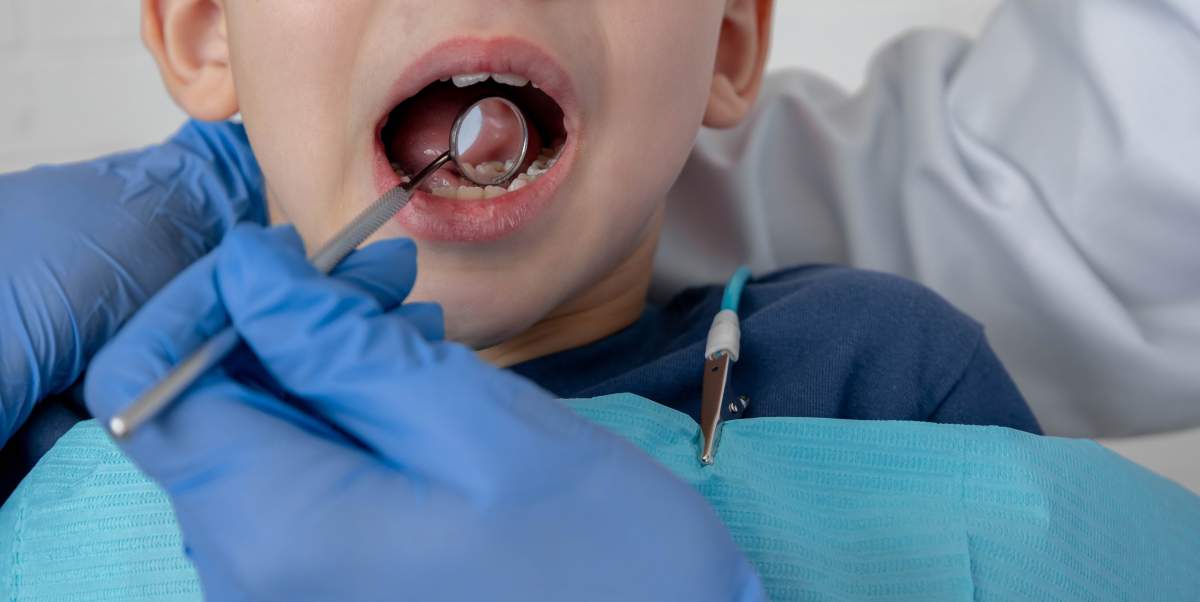
An in-person examination helps identify problems that photographs or impressions may not reveal. Before teeth are moved, a dental professional may need to evaluate:
Tooth decay, cracked teeth, defective fillings, or crowns
Gum inflammation, periodontal disease, or bone loss
The position and shape of tooth roots
Jaw development and the relationship between the upper and lower teeth
Existing bite problems, tooth wear, or signs of clenching
Missing teeth, impacted teeth, implants, or other dental work
X-rays may also be appropriate. They can show the roots and supporting bone, which cannot be assessed reliably from a smiling photograph.
A treatment plan that focuses only on making the front teeth look straighter may overlook how the teeth meet during chewing. Orthodontic movement changes the surrounding bone and supporting tissues, so the goal is not merely cosmetic alignment. It is also stable, functional movement that does not create new problems.
What risks are associated with unsupervised or lightly supervised treatment?
The risks vary by patient, but poorly planned or poorly monitored aligner treatment may contribute to:
New or worsening bite problems
Gum irritation, cuts, recession, or tissue pressure
Tooth movement that does not match the plan
Increased tooth looseness or damage to supporting structures
Pain in the teeth, jaw muscles, or jaw joints
New spaces between teeth
Worsening crowding or uneven contact between teeth
Problems involving crowns, fillings, or implants
The need for corrective or retreatment care
The FDA has received reports involving direct-to-consumer aligners in which patients experienced dental pain, jaw pain, bite changes, worsening misalignment, and newly developed gaps. It also notes that adverse reactions may include swelling, irritation, and lacerations. ([fda.gov](https://www.fda.gov/medical-devices/dental-devices/clear-dental-aligners?utm_source=openai))
A poor-fitting tray can press against the gums or fail to move teeth as intended. The American Dental Association warns that improperly fitting appliances may contribute to gum injury, tooth misalignment, tooth loss, and temporomandibular joint problems. ([ada.org](https://www.ada.org/resources/ada-library/oral-health-topics/home-care?utm_source=openai))
Are online photographs or at-home impressions enough?
Usually, they are not enough to establish a complete orthodontic diagnosis. At-home impressions can contain distortions, air bubbles, missing areas, or other errors. A small inaccuracy may affect how an entire series of trays fits.
Photographs also have limits. They cannot show tooth roots, bone levels, hidden decay, or the full way the teeth contact one another. Even a person with apparently mild crowding may have a more complex bite or a dental condition that should be addressed before orthodontic movement begins.
This does not mean every remote tool is unsafe. Digital scans and virtual communication can support care when they are combined with appropriate examinations, records, and follow-up. The concern is using remote information as a substitute for essential diagnosis.
How can someone evaluate an aligner program before starting?
Ask specific questions rather than relying only on claims such as “doctor-directed” or “FDA registered.”
Important questions include:
Will a licensed dentist or orthodontist examine the patient in person before treatment?
Are dental X-rays recommended when clinically appropriate?
Who is responsible for the diagnosis and treatment plan?
Can the supervising clinician be identified and contacted?
How often will progress be checked in person?
What happens if the trays do not fit or the teeth stop tracking?
Who manages gum disease, cavities, broken dental work, or unexpected pain?
Is the product FDA-authorized for its intended use?
The FDA distinguishes between a manufacturer being “FDA registered” and a specific device being reviewed and authorized for marketing. Registration alone does not mean the product has been cleared or approved for a particular use. ([fda.gov](https://www.fda.gov/medical-devices/dental-devices/clear-dental-aligners?utm_source=openai))
Who may not be a good candidate for mail-order treatment?
People with active cavities, gum disease, significant bone loss, impacted teeth, complex bite problems, major rotations, missing teeth, extensive dental restorations, or jaw growth concerns may require more comprehensive evaluation. Clear aligners themselves are not appropriate for every orthodontic problem. The FDA notes that they are commonly used for mild to moderate concerns, while more complex conditions may require traditional braces, additional dental treatment, or another approach. ([fda.gov](https://www.fda.gov/medical-devices/dental-devices/clear-dental-aligners?utm_source=openai)) Adults should be especially cautious about assuming that straight-looking front teeth indicate a simple case. Previous orthodontic treatment, gum recession, worn teeth, crowns, and long-standing bite changes can affect the treatment plan.
What symptoms should not be ignored during treatment?
Mild pressure or temporary speech changes can occur with aligners. Persistent or worsening symptoms deserve attention, however. Prompt dental evaluation is appropriate for:
Severe or ongoing tooth pain
Swelling, bleeding, or significant gum recession
A tray that cuts into the gums or cannot be fully seated
A bite that suddenly feels uneven
New jaw pain, locking, or difficulty opening
A loose tooth or a new gap
A cracked filling, crown, or other dental restoration
Continuing to advance through a series of trays despite these symptoms may make the problem harder to correct. The FDA advises patients experiencing new or worsening symptoms to contact a dentist or orthodontist for evaluation. ([fda.gov](https://www.fda.gov/medical-devices/dental-devices/clear-dental-aligners?utm_source=openai))
Does remote monitoring make aligners safe?
Remote monitoring can be useful, particularly for communication, reminders, photographs, and some progress checks. It does not automatically provide the same information as an in-person examination. The safer question is whether remote care is being used as one part of supervised orthodontic treatment or as a replacement for diagnosis and clinical oversight. The American Association of Orthodontists and the American Dental Association have both raised concerns about treatment that begins without an in-person examination, appropriate records, and ongoing supervision. ([ada.org](https://www.ada.org/about/governance/current-policies/direct-to-consumer-dental-services?utm_source=openai)) For households managing busy schedules, school calendars, work demands, winter weather, or travel, convenience can be a real consideration. Convenience should still be weighed against the practical difficulty of obtaining timely care if a tray causes pain, damages the gums, or changes the bite.
A reasonable safety standard is straightforward: teeth should not be moved based only on appearance. The treatment should begin with an appropriate diagnosis, use a device authorized for its intended purpose, and include a clear plan for monitoring problems throughout care.
It's
fall again, and we are all getting back into school and work routines.
What non-allergy sufferers don't realize is that autumn is also Hay Fever
Season. This is the season when allergy sufferers experience congestion,
coughing, sneezing, sinus infections, and sinus pain. Sometimes the sinus infections
cause tooth pain because the fluid in the inflamed sinuses exerts pressure on
the roots of the top back teeth (which sit directly beneath or inside the
maxillary sinuses.) Nasal and sinus congestion also makes it difficult to
breathe through the nose so patients resort to mouth breathing. Sleep
quality decreases, and the open mouth posture changes the muscle balance of the
face. The inward pressure of the lips and cheeks is not counterbalanced by the
tongue which is not properly postured against the palate. Over time, this
causes a narrowing of the dental arch form and dental crowding. The lip muscles
which are not used to close the lips become atrophied, it becomes difficult to
close the lips, and the profile changes.
Sinus rinsing is a great way to decrease sinus congestion before the congestion leads to an infection. The warm volume-saline-rinse washes out accumulated mucus and allergens while it decreases inflammation of the sinus lining. Neti-pots and Neil-Med bottles are both delivery systems that can be used for sinus rinsing, but the head posture is different for each system. The Neti-pot requires the user to tip the head to the side. This can trigger TMJ pain. The Neil-Med system requires the user to tip the head forwards, which is more comfortable for the neck muscles and Tempero-mandibular joint. Eight ounces of warm pre-boiled water is mixed with a measured packet of buffered salt, and is delivered into the nose by inserting the tip into one nostril and squeezing the bottle gently. When the nose is clear, the water comes out of the opposite nostril. If the nose is congested, simply remove the delivery device and let it drip out of the same nostril. Then blow your nose, and repeat. (My shortcut is to save pre-boiled water in a clean tempered glass jar after boiling it for another purpose. Then when you add 2 ounces of freshly boiled water to 6 ounces of the saved room temperature pre-boiled water, the correct temperature is achieved without having to wait for it to cool.) My patients who have started daily sinus rinsing, at least through their worst allergy seasons, have less nasal congestion, fewer sinus infections, and breathe through their noses more consistently. They also stop coughing up mucus because they have eliminated the post nasal drip, and they experience better quality sleep. (See my post 4/2/2019 "Headaches and Sinus Rinsing".)
Many parents fear the dreaded white spots.They ask regularly during their child’s
orthodontic treatment if their child is getting white spot lesions. What they
often forget is that the white spot lesions are not from the braces. They are
from not keeping the teeth clean enough, and they can happen with or without
braces.
White spots on teeth are actually white scars, and once they
appear, they may become permanent.The
white spots are the first step in the caries process; white spots become
cavities. Poor oral hygiene allows plaque to build up on the tooth
surface.Maintaining adequate hygiene is
even more difficult when braces are present because the brackets create hiding
places for this bacterial accumulation.The bacteria in the plaque eat the food which is left on the tooth
surfaces; they especially like to eat sweet and sugary foods. The bacteria then
“poop” on the teeth. This acidic bacterial excrement can erode or “decalcify”
the enamel surface of the teeth.Demineralization
(a decrease in the mineral content of the enamel) can happen on the surfaces
you can see, but it can also happen between the teeth if dental floss or
waterpik irrigation is not used daily. (The decalcifications between the teeth
are seen on x-rays as “incipient lesions”, i.e. early cavities.) As fluoride and the natural minerals of your saliva
fight to keep the enamel strong, the decalcified areas are recalcified.This process of decalcification and
remineralization creates unsightly color changes (both white spots and dark
areas) of the tooth surface.
White spot lesions are also common in people who have dry
mouth issues.Reduced saliva flow lower’s
the mouth’s natural ability to neutralize the acids. Many people with dry mouth
“self -medicate” with lemon drops. Although the lemon drops increase salivation,
they also feed the bacteria on the tooth surface as well as increase the mouth’s
acidity directly (lemons are acidic). Both acid from the bacteria, and acid
from the food increase demineralization of the tooth surfaces. Remember, this
demineralization is the first step in tooth decay. A better option to increase
salivary flow would be using xylitol candies and sprays, such as Xylimelt dry
mouth lozenges or Carifree spray, because xylitol inhibits bacterial growth.
Another factor in white spot lesions, in addition to
accumulation of bacteria, is the application of dietary acid straight on tooth
surfaces. Many foods and beverages are acidic.When people sip a lot of acidic beverages, like carbonated beverages
(seltzer and soda), lemonade, sports drinks, tea with lemon, or coffee, they
bathe the tooth surfaces in acid. The longer the period of time during which
the acidic beverage is applied, the more damage it does.This is why Dr. Okun recommends drinking the
acidic beverages with a meal so that there is increased salivary flow as well
as other foods to decrease the acidity of the mouth. She also recommends
limiting the time that sugary foods are in the mouth. (Eat a cookie and then
rinse out rather than suck on a candy or lick a lollipop for more than 10
minutes.) Dr. Okun recommends rinsing with water after eating or drinking, to
wash the food particles and acid off of the teeth. It is also beneficial to
rinse with fluoride daily to strengthen the tooth surfaces and to help the
teeth re-calcify following acid attacks.
For help with proper cleaning of the teeth, see our hygiene
videos on our website https://www.okunortho.com/brushing-and-flossing.Be sure to brush thoroughly at least two
times a day, and either floss or use the “Waterpik” dental irrigator daily to
clean between the teeth.
Orthodontic treatment is a carefully planned process that focuses on both
function and appearance. Patients often ask how long orthodontic treatment with
braces or aligners like Invisalign will take, and the answer depends on several
individual factors. While the average orthodontic treatment timeline is about
two years, each case follows a unique path based on the patient’s needs.
In many cases, traditional braces are worn for 18 to 30
months. This timeframe allows for gradual, controlled tooth movement that
protects the health of the gums and bone. Some patients may complete treatment
sooner, especially if alignment issues are mild, while more complex cases (such
as those with impacted teeth) can take longer.
Aligner treatment timelines (for example, Invisalign or
Spark clear aligner systems) are often similar, though they can vary depending
on how consistently the aligners are worn. Most Aligner (Invisalign or Spark)
patients receive a series of custom trays designed to shift teeth step by step.
Each set is typically worn for one to two weeks before moving to the next,
creating steady progress over time.
Age plays a role in how long orthodontic treatment takes.
Younger patients often respond more quickly because their jaws are still
developing, making tooth movement more efficient. Adults can achieve excellent
results as well, though treatment may take slightly longer due to denser bone
structure.
Consistency is one of the most important factors influencing
treatment duration. Following instructions, such as wearing elastics with
braces, or wearing aligners for the recommended hours each day or maintaining
proper care with braces, helps prevent delays. Missed appointments or
inconsistent habits can extend the overall timeline.
Orthodontic treatment moves at a pace that protects
long-term oral health, not just the speed of results. This approach ensures
that teeth are correctly positioned and remain stable after treatment. Rushing
the process can lead to complications or relapse, which may require additional
correction later.
Patients in Westchester County (including White Plains, Rye, Rye Brook, and Port Chester) often ask how their
local orthodontic treatment timeline compares to national averages. In most
cases, the duration is similar, as orthodontic principles remain consistent
regardless of location. What matters most is the individualized treatment plan
created after a thorough evaluation.
Regular check-ins allow orthodontists to monitor progress
and make necessary adjustments. These visits are essential for keeping
treatment on track and addressing any concerns early. Whether using braces or
Aligners (such as Invisalign or Spark clear aligner systems), small changes
over time lead to meaningful, lasting improvements.
Ultimately, orthodontic care is an investment in both health
and confidence. While two years may seem like a long commitment, the gradual
process is designed to deliver stable, functional results that last well beyond
the treatment period.
Keywords Used: orthodontic treatment timeline, how long do
braces take, Invisalign treatment timeline, braces duration, orthodontic
treatment White Plains, NY, average braces time, Invisalign aligners
Changing your eating habits is one of the most difficult adjustments when wearing braces. Some foods are more likely to damage your braces and your teeth than others. I advise patients to avoid:
1. Candy and other high sugar content foods, especially if they will spend a long time in your mouth. Eating a cookie and then rinsing with water will do much less damage than sucking a sugar candy for 10 minutes. The bacteria in your mouth will eat the sugar and give off acid which will decalcify the tooth surfaces.
2. Soda (all carbonated beverages i.e. carbonic acid) and other acidic beverages (like lemonade, fruit smoothies, and energy drinks.) Acid will decalcify (eat away) the part of your teeth that are not covered by the brackets, leaving a change of color which will later finish turning into a cavity. If you drink the acidic beverage be sure to rinse it off your teeth with water instead of leaving the residue in your mouth.
3. Sticky things like chewing gum, taffy, Ike and Mikes, gummy bears, and caramels will bend the metal. This will cause the glue to crack underneath the brackets and bands. As the cracked glue washes out the metal pieces will come loose. The sticky things will also deform the wires, causing the bent wires to push the teeth to incorrect positions.
4. Foods with a hard back (ribs and corn on the cob) should be separated from the hard back (the bone and the cob) in order to not break off the front brackets.
5. Hard and Doughy Foods that have resistance to bite into should be cut thin. Don't bite straight into an apple, carrot, bagel, pizza crust, or fat sandwich. Cut them into thin pieces before eating. Also, eat one piece at a time. One potato chip will not break your braces, but a handful all-at-once may.
6. Energy and Power bars are too hard and chewy. Cereal bars and thin snack bars are better choices, especially if you break them into small pieces before putting them into your mouth.
7. Seeds and popcorn (with a husk) should be avoided when wearing a palatal expander because the small hard pieces get stuck between the plastic and the palate causing a wound.
The link for the article which I wrote for HelloNation (and which they edited, i.e. changed) is below, followed by a screenshot of the first page.
It's never too late to wear braces. We can improve alignment and function at any age, but there are some ages that are more ideal than others. For example, I cannot change the bone structure in an adult, but I can change it in a growing patient. Palatal expansion (changing the width of the upper arch) is most effective below age 12 for a girl, and below age 14 for a boy. Headgears can restrain growth of the upper jaw, but only if there is more growth available, therefor starting by age 8 is more efficacious. If treatment is started after facial growth is finished we are more likely to need to remove adult teeth or reshape the existing teeth in order to achieve alignment. Treating adults limits the facial and jaw balance that can be achieved.
HelloNation published my first article on the best age to start braces. Unfortunately, working with them also means accepting their edits to match their writing style. The photos in the hello nation articles are theirs too. Here is the link and a screenshot to the first page of the article.
When I was a teenager, my father arranged for me to observe
dentists in several dental offices, in order to convince me that dentistry was
not what I wanted to do for my livelihood.My parents’ plan backfired.I
loved what I saw, and knew in my heart that I would be a good dentist. Some of
what I heard, however, did not sit well with me.One dentist, in response to his patient’s
concern about her bleeding gums, stated “everybody’s gums bleed.” NO! Everybody’s
gums do not bleed, and they should not bleed.
If your hands bled when you washed them, you would be
concerned.You should also be concerned
if you clean your teeth and your gums bleed.Bleeding gums are sick gums.
Healthy gums are light pink in color, are flat to the tooth
surface, come to a neat point between the teeth, and are stippled like an
orange peel.Sick gums are more red in
color, especially around the necks of the teeth, they are rolled like a bagel
near the tooth surface, the triangular areas between the teeth are bulbous
(they puff out) and the surface is shiny. The first stage of gum disease is
gingivitis, the inflammation in the gums that creates the red appearance, that
allows the gum tissue to flop in the breeze, and which bleeds when you brush,
floss, or touch it. The more you avoid touching it, the more the bacteria build
up, the more the tissue reacts to the toxins from the bacteria, the worse the
inflammation gets.You can only break
the cycle by brushing and flossing (or brushing and irrigating with a water-pik.)If your gums are bleeding they are saying,
“Help, I’m sick. Please clean me.” If you continue to neglect your gums, the
disease process will progress to periodontitis.Now the whole attachment around the teeth is inflamed, and the bone that
holds the teeth in your mouth starts to go away so that the necks of the teeth
start to stick out of the gums. Over time the teeth also get loose, and some
will fall out.Gum disease is the
leading cause of tooth loss in adults.
If you move teeth orthodontically, or with mouth habits like
leaning your tongue on your teeth or sucking your thumb, and your teeth are not
clean, you are at risk of accelerating the damage caused by gum disease.For information on how to clean your teeth,
watch our hygiene videos on-line at https://www.okunortho.com/brushing-and-flossing
We are committed to providing patients with complete and comprehensive orthodontic care in Orthodontics & TMJ treatment in Rye Brook, New York (NY).
Your first visit to our office enables us to become acquainted with each other, and allows you to experience our warm family atmosphere. We are board-certified orthodontists, and have been proudly serving the Rye Brook community for over 30 years!
We focus our concerns on the comfort and well-being of our patients. We pride ourselves in providing complete orthodontic and TMJ (myofacial pain) care by incorporating the latest technology into your treatment, including the Electro-Acuscope/Myopulse System for pain management, traditional metal braces, clear braces, lingual braces, and Invisalign® (“invisible” braces). We also fabricate custom athletic mouth-guards to protect teeth and jaws from impact during sports and martial arts.




 Posts
Posts

