
The following article was written in conjunction with the writers at HelloNation.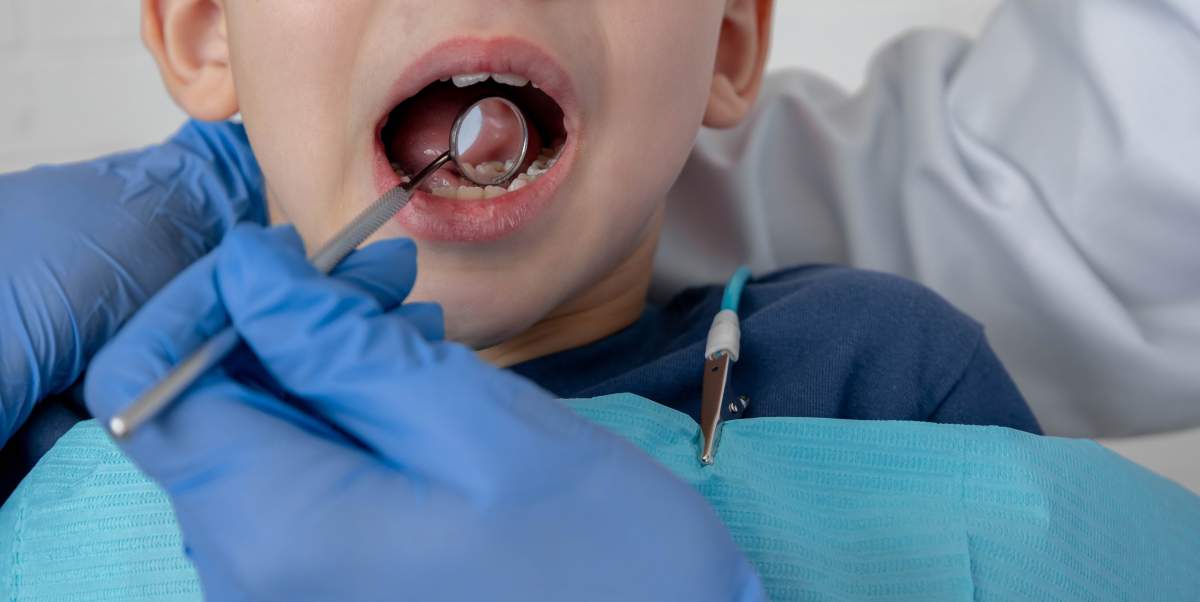
Mail-Order Aligners: Safety Questions for White Plains, NY Residents
Clear aligners can be safe and effective when they are prescribed for the right condition and monitored by a licensed dentist or orthodontist. Mail-order treatment becomes more concerning when teeth are moved without an in-person examination, appropriate imaging, or regular clinical supervision.
For residents of White Plains, NY, the central question is not simply whether the trays are made of safe plastic. The larger issue is whether the treatment plan accurately accounts for the health of the teeth, gums, jaw joints, roots, bone, and bite.
What are mail-order aligners?
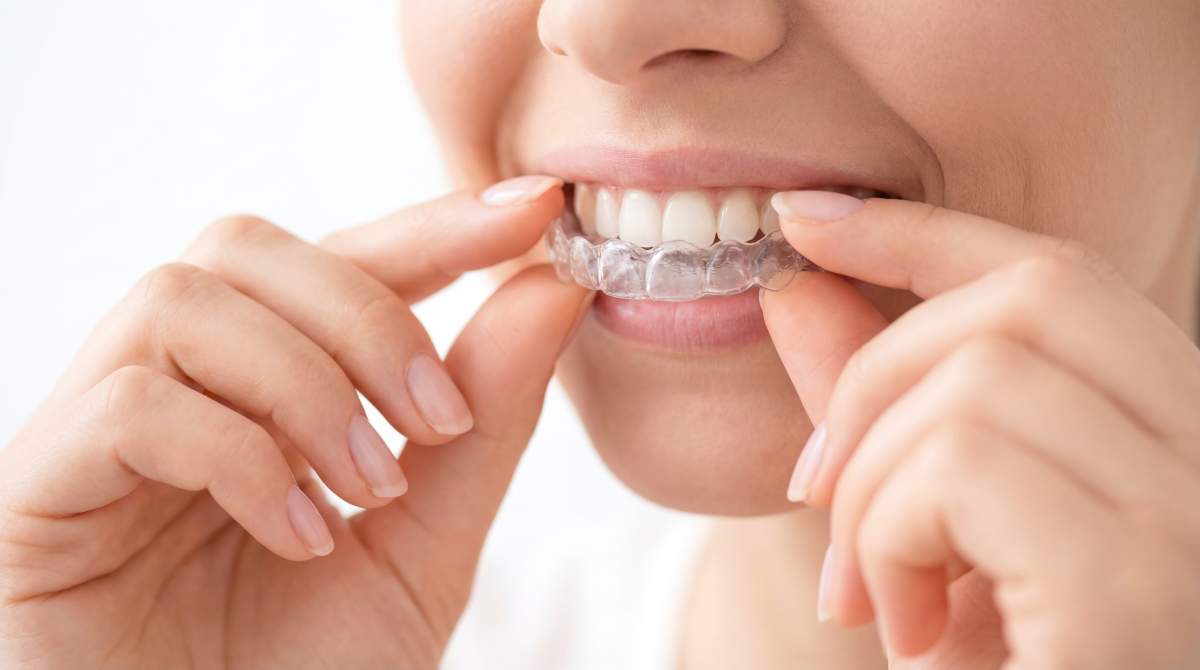
Mail-order aligners are clear plastic trays sent directly to a patient, usually after photographs, an at-home impression, or a remote digital scan. The treatment may be managed through an online portal, text messages, photographs, or virtual visits.
This model is different from conventional orthodontic care in an important way: the patient may begin treatment without meeting the supervising dentist or orthodontist in person. A remote review can be part of responsible dental care, but it does not always replace a clinical examination.
The U.S. Food and Drug Administration describes clear aligners as prescription medical devices. It states that clear aligners should be used under the supervision of a licensed dentist or orthodontist and warns that insufficient supervision may increase the risk of complications. ([fda.gov](https://www.fda.gov/medical-devices/dental-devices/clear-dental-aligners?utm_source=openai))
Why is an in-person examination important?
An in-person examination helps identify problems that photographs or impressions may not reveal. Before teeth are moved, a dental professional may need to evaluate:
- Tooth decay, cracked teeth, defective fillings, or crowns
- Gum inflammation, periodontal disease, or bone loss
- The position and shape of tooth roots
- Jaw development and the relationship between the upper and lower teeth
- Existing bite problems, tooth wear, or signs of clenching
- Missing teeth, impacted teeth, implants, or other dental work
X-rays may also be appropriate. They can show the roots and supporting bone, which cannot be assessed reliably from a smiling photograph.
A treatment plan that focuses only on making the front teeth look straighter may overlook how the teeth meet during chewing. Orthodontic movement changes the surrounding bone and supporting tissues, so the goal is not merely cosmetic alignment. It is also stable, functional movement that does not create new problems.
What risks are associated with unsupervised or lightly supervised treatment?
The risks vary by patient, but poorly planned or poorly monitored aligner treatment may contribute to:
- New or worsening bite problems
- Gum irritation, cuts, recession, or tissue pressure
- Tooth movement that does not match the plan
- Increased tooth looseness or damage to supporting structures
- Pain in the teeth, jaw muscles, or jaw joints
- New spaces between teeth
- Worsening crowding or uneven contact between teeth
- Problems involving crowns, fillings, or implants
- The need for corrective or retreatment care
The FDA has received reports involving direct-to-consumer aligners in which patients experienced dental pain, jaw pain, bite changes, worsening misalignment, and newly developed gaps. It also notes that adverse reactions may include swelling, irritation, and lacerations. ([fda.gov](https://www.fda.gov/medical-devices/dental-devices/clear-dental-aligners?utm_source=openai))
A poor-fitting tray can press against the gums or fail to move teeth as intended. The American Dental Association warns that improperly fitting appliances may contribute to gum injury, tooth misalignment, tooth loss, and temporomandibular joint problems. ([ada.org](https://www.ada.org/resources/ada-library/oral-health-topics/home-care?utm_source=openai))
Are online photographs or at-home impressions enough?
Usually, they are not enough to establish a complete orthodontic diagnosis. At-home impressions can contain distortions, air bubbles, missing areas, or other errors. A small inaccuracy may affect how an entire series of trays fits.
Photographs also have limits. They cannot show tooth roots, bone levels, hidden decay, or the full way the teeth contact one another. Even a person with apparently mild crowding may have a more complex bite or a dental condition that should be addressed before orthodontic movement begins.
This does not mean every remote tool is unsafe. Digital scans and virtual communication can support care when they are combined with appropriate examinations, records, and follow-up. The concern is using remote information as a substitute for essential diagnosis.
How can someone evaluate an aligner program before starting?
Ask specific questions rather than relying only on claims such as “doctor-directed” or “FDA registered.”
Important questions include:
- Will a licensed dentist or orthodontist examine the patient in person before treatment?
- Are dental X-rays recommended when clinically appropriate?
- Who is responsible for the diagnosis and treatment plan?
- Can the supervising clinician be identified and contacted?
- How often will progress be checked in person?
- What happens if the trays do not fit or the teeth stop tracking?
- Who manages gum disease, cavities, broken dental work, or unexpected pain?
- Is the product FDA-authorized for its intended use?
The FDA distinguishes between a manufacturer being “FDA registered” and a specific device being reviewed and authorized for marketing. Registration alone does not mean the product has been cleared or approved for a particular use. ([fda.gov](https://www.fda.gov/medical-devices/dental-devices/clear-dental-aligners?utm_source=openai))
Who may not be a good candidate for mail-order treatment?
People with active cavities, gum disease, significant bone loss, impacted teeth, complex bite problems, major rotations, missing teeth, extensive dental restorations, or jaw growth concerns may require more comprehensive evaluation.
Clear aligners themselves are not appropriate for every orthodontic problem. The FDA notes that they are commonly used for mild to moderate concerns, while more complex conditions may require traditional braces, additional dental treatment, or another approach. ([fda.gov](https://www.fda.gov/medical-devices/dental-devices/clear-dental-aligners?utm_source=openai))
Adults should be especially cautious about assuming that straight-looking front teeth indicate a simple case. Previous orthodontic treatment, gum recession, worn teeth, crowns, and long-standing bite changes can affect the treatment plan.
What symptoms should not be ignored during treatment?
Mild pressure or temporary speech changes can occur with aligners. Persistent or worsening symptoms deserve attention, however.
Prompt dental evaluation is appropriate for:
- Severe or ongoing tooth pain
- Swelling, bleeding, or significant gum recession
- A tray that cuts into the gums or cannot be fully seated
- A bite that suddenly feels uneven
- New jaw pain, locking, or difficulty opening
- A loose tooth or a new gap
- A cracked filling, crown, or other dental restoration
Continuing to advance through a series of trays despite these symptoms may make the problem harder to correct. The FDA advises patients experiencing new or worsening symptoms to contact a dentist or orthodontist for evaluation. ([fda.gov](https://www.fda.gov/medical-devices/dental-devices/clear-dental-aligners?utm_source=openai))
Does remote monitoring make aligners safe?
Remote monitoring can be useful, particularly for communication, reminders, photographs, and some progress checks. It does not automatically provide the same information as an in-person examination.
The safer question is whether remote care is being used as one part of supervised orthodontic treatment or as a replacement for diagnosis and clinical oversight. The American Association of Orthodontists and the American Dental Association have both raised concerns about treatment that begins without an in-person examination, appropriate records, and ongoing supervision. ([ada.org](https://www.ada.org/about/governance/current-policies/direct-to-consumer-dental-services?utm_source=openai))
For households managing busy schedules, school calendars, work demands, winter weather, or travel, convenience can be a real consideration. Convenience should still be weighed against the practical difficulty of obtaining timely care if a tray causes pain, damages the gums, or changes the bite.
A reasonable safety standard is straightforward: teeth should not be moved based only on appearance. The treatment should begin with an appropriate diagnosis, use a device authorized for its intended purpose, and include a clear plan for monitoring problems throughout care.


 Posts
Posts

